

Best Plants for a South Central Texas Backyard With a Gunite Pool
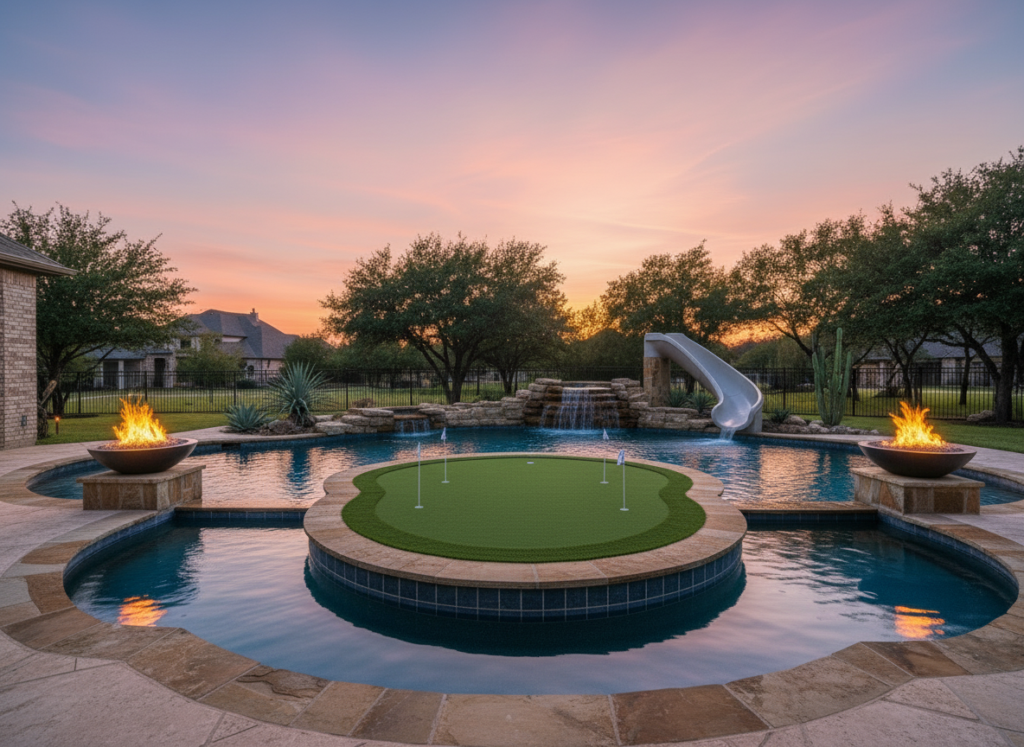
A gunite pool is the centerpiece of a South Central Texas backyard so the landscaping around it should look high-end, stay clean, and handle our heat. The best poolside plants for San Antonio and the Texas Hill Country are drought-tolerant, low-litter (so they don’t constantly clog skimmers), and tough enough to thrive in full sun.
Below are top plant picks that pair beautifully with gunite pools, plus practical tips to keep your deck, waterline tile, and equipment area looking spotless.
What makes a plant “pool-friendly” in South Central Texas?
Before you plant, keep these pool-and-landscape rules in mind:
- Low litter: Avoid plants that drop lots of leaves, needles, berries, or seed pods.
- Non-invasive roots: Keep aggressive root systems away from the pool shell, plumbing, and decking.
- Heat and drought tolerance: Choose plants that thrive through long stretches of sun and high temps.
- Low-thorn, low-toxin (when possible): Safer for kids, pets, and bare feet.
- Right placement: Even “good” plants can be messy if planted too close to the water.
The best plants to pair with a gunite pool (South Central Texas favorites)
1) Agave (Agave spp.)
Agave brings a clean, architectural look that matches modern pool designs and natural stone.
- Why it works: Extremely drought-tolerant, minimal leaf drop, strong visual impact.
- Best use: In raised planters or gravel beds for a resort-style feel.
- Pro tip: Choose softer varieties or place spikier types away from foot traffic.
2) Texas Sage (Leucophyllum frutescens)
A Hill Country classic with silver foliage and purple blooms, great contrast against gunite and travertine.
- Why it works: Heat-proof, low water needs, low mess.
- Best use: Borders, privacy screens, or layered behind accent plants.
- Pro tip: Prune lightly; avoid “meatball” shearing for a more upscale look.
3) Dwarf Yaupon Holly (Ilex vomitoria ‘Nana’)
If you want evergreen structure without constant cleanup, dwarf yaupon is a go-to.
- Why it works: Dense, tidy growth; handles sun/heat; easy to shape.
- Best use: Clean lines along fences or to frame outdoor living zones.
- Pro tip: Great for a polished, “country club” landscape style.
4) Gulf Muhly Grass (Muhlenbergia capillaris)
For movement and soft texture, muhly grass is hard to beat—especially when it blooms pink in fall.
- Why it works: Drought-tolerant, low maintenance, dramatic seasonal color.
- Best use: Mass plantings near seating areas (not right at the pool edge).
- Pro tip: Cut back once a year in late winter.
5) Lantana (Lantana camara)
Lantana brings color all season and thrives in tough conditions.
- Why it works: Heat-loving, drought-tolerant, long bloom time.
- Best use: Beds farther from the coping line where petals won’t blow into the water.
- Pro tip: Choose varieties with a tidy growth habit; place where you can easily sweep.
6) Rosemary (Salvia rosmarinus)
Rosemary adds fragrance and a clean Mediterranean vibe that pairs well with stone decks and outdoor kitchens.
- Why it works: Drought-tolerant, evergreen, low litter.
- Best use: Along walkways or in raised planters near entertaining areas.
- Pro tip: Upright rosemary works well as a “mini hedge.”
7) Purple Heart (Tradescantia pallida)
This is an easy groundcover that gives bold color contrast against light decking.
- Why it works: Fast coverage, drought-tolerant once established, great in sun.
- Best use: Spillover in raised planters or along retaining walls.
- Pro tip: Keep it trimmed so it doesn’t creep into drains or expansion joints.
8) Red Yucca (Hesperaloe parviflora)
Red yucca is one of the best “pool plants” for Texas clean, tough, and visually sharp.
- Why it works: Minimal mess, drought-tolerant, hummingbird-friendly blooms.
- Best use: Accent clusters in gravel or xeriscape designs.
- Pro tip: Remove spent flower stalks to keep it looking crisp.
9) Sago Palm (Cycas revoluta) (with caution)
Sago palms can look very resort-like, but placement matters.
- Why it works: Strong tropical feel, slow growing, generally tidy.
- Best use: In planters or beds away from heavy foot traffic.
- Caution: Toxic to pets if ingested.
10) Shade trees (placed strategically)
In South Central Texas, shade is gold but trees can create extra pool maintenance.
- Better options: Consider small, well-behaved trees placed to shade seating areas, not directly over the pool.
- Avoid: Heavy droppers (lots of leaves, pods, or flowers) right next to the water.
Don’t forget the “green” that stays clean: Keith Zars Turf
If you love the look of a lush backyard but don’t love the mud, patchy spots, or constant watering, Keith Zars Turf is a great poolside solution.
Artificial turf can be a smart complement to a gunite pool because it:
- Stays green year-round in South Central Texas heat
- Reduces dirt and debris getting tracked onto your pool deck
- Cuts down on water use compared to traditional lawns
- Creates a clean, barefoot-friendly surface for kids and guests
- Pairs beautifully with modern pool hardscapes like travertine, limestone, and concrete
Whether you want turf for a side yard, pet run, play area, or a clean border around your outdoor living space, our team can help you plan a layout that looks natural and performs well.
Plants to avoid right next to a pool
Some plants look great but can be a headache near a gunite pool:
- Messy bloomers that shed petals constantly into the water
- Fruit trees that drop fruit and attract pests
- Aggressive root systems too close to plumbing/decking
- Thorny plants near walkways and tanning ledges
If you love a “messy” plant, the fix is usually simple: plant it farther from the pool and use hardscape (gravel, stone, planters) as a buffer.
Design tips: how to make your pool landscaping look high-end
- Use layers: Tall evergreens in back, medium shrubs in the middle, clean groundcovers up front.
- Mix textures: Pair spiky agaves/yuccas with soft grasses for contrast.
- Add lighting: Uplights on agaves or small trees instantly elevate the space.
- Choose a consistent palette: Silver-green (Texas sage, rosemary) + deep green (yaupon) + seasonal color (muhly, lantana).
- Keep a “clean zone” near the water: Hardscape within a few feet of the coping reduces debris.
Bringing it all together: gunite pool + Texas-tough landscaping
A Keith Zars gunite pool is built to last and your landscaping should be, too. With the right plant choices (and the right “clean green” surfaces), you’ll get a backyard that looks resort-level, stays cleaner, and thrives through South Central Texas summers.
If you’re planning a new pool or a full backyard upgrade, the best results come from designing the pool and landscape together from day one.
Ready to design your dream backyard?
Keith Zars Pools designs and builds award-winning gunite pools and outdoor living spaces across South Central Texas, plus Keith Zars Turf for a clean, always-green finish. Contact our team to start planning a poolscape that fits your home, your lifestyle, and our climate.